

Northern Ireland Troubles Act: what does it mean for Defence?
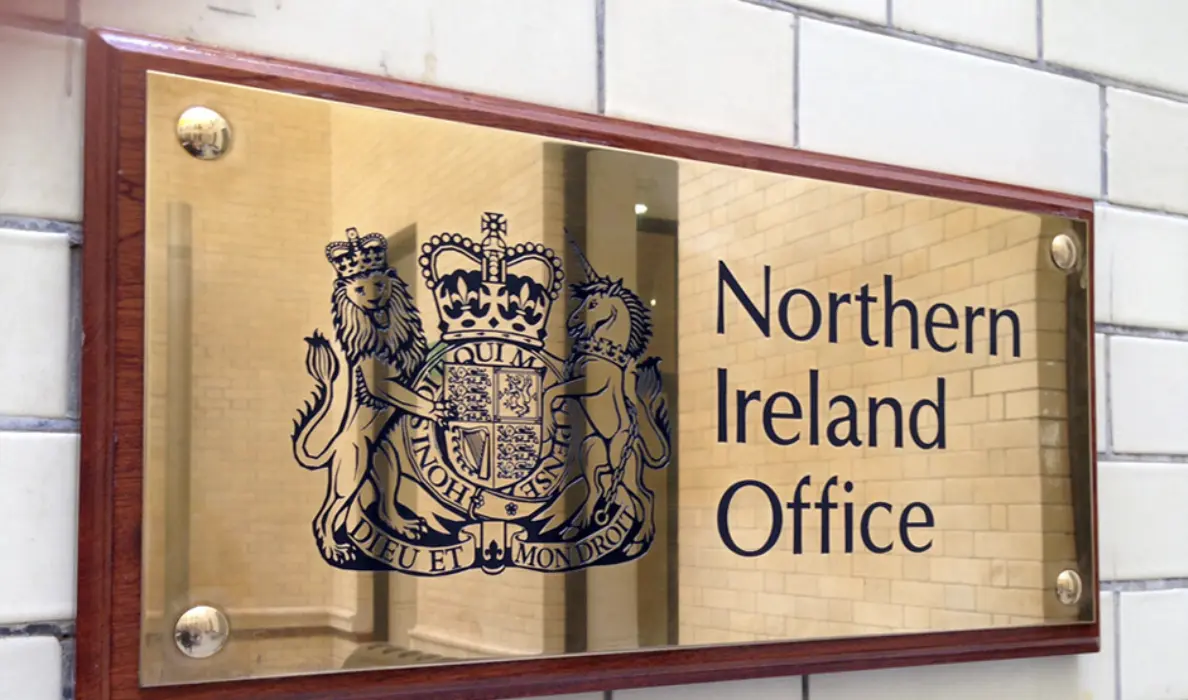
The Northern Ireland Troubles (Legacy and Reconciliation) Act has become law after receiving Royal Assent on Autumn 2023.
This legislation, brought forward by the Northern Ireland Office, is a Government pledge to address the extremely complex and sensitive legacy of Northern Ireland’s past, to deliver better outcomes for those most affected by the Troubles, while helping society to look forward.
It delivers on the Government’s commitments to those who served in Northern Ireland, whilst implementing a process that provides answers for families.
We are aware of the individual impact that historic investigations can place on those affected by them, and we are committed to ensuring that the veteran perspective is considered.
In Defence, the wellbeing of our people is one of our main priorities, and we want to ensure that we are supporting the mental health and wellbeing of all Service personnel and veterans.
What the legislation means:
• From May 2024, ongoing criminal investigations, inquests and prosecution decisions relating to cases between 1 January 1966 and 10 April 1998 will cease; and any civil claims filed after May 2022 will be barred.
• A new independent body, the Independent Commission for Reconciliationand Information Recovery (ICRIR) will be established. When requested to do so, this body will conduct reviews or investigations into deaths and very serious injuries which resulted from the Troubles. In each case, the body will publish a report of its findings. The ICRIR may also investigate a death or very serious injury if an individual comes forward seeking immunity in relation to that specific death or injury, if it does not already have a live investigation ongoing.
• The ICRIR will be able to conduct criminal investigations where it judges that to be appropriate.
• A process of conditional immunity will apply to any serious or connected offences involving deaths or serious injuries during the Troubles. A judge-led panel within the ICRIR will grant immunity to individuals where it considers that a truthful account has been provided of their involvement in Troubles related deaths and serious injuries. Individuals who knowingly or recklessly provide false information to the ICRIR can be prosecuted and have any immunity revoked.
• Those who do not comply with the ICRIR could be subject to a financial penalty of up to £5000.
• Requests for ICRIR investigations must be made within the first five years of the ICRIR becoming operational, with the body currently expected to remain operational for a further five years in order to finish its reviews/investigations.
• A package of memorialisation measures centred on a major oral history initiative, representing a cross-community and cross-sectoral range of organisations.
Next steps
Now that the legislation has been enacted, the ICRIR is undertaking extensive consultation with stakeholders to shape its processes and establish itself.
As the Government does all that it can to support the ICRIR in delivering effectively for victims and families, Defence will be engaging with the Commission as it develops to ensure that the veteran perspective is taken into account.
We are aware that Northern Ireland veterans will be anxious to know how this legislation will impact them in practice. Further information on how individuals can engage with the Commission, as well as the support that will be available to veterans, will be provided in due course.
Supporting your wellbeing
If you, or someone around you, needs mental health and wellbeing support, please have a look at the resources that are available to you.
For pastoral support to veterans facing NI Legacy legal investigations please contact the Army Operational Legacy Branch at [email protected].
There is help available, both inside and outside of Defence, for anyone who needs it.